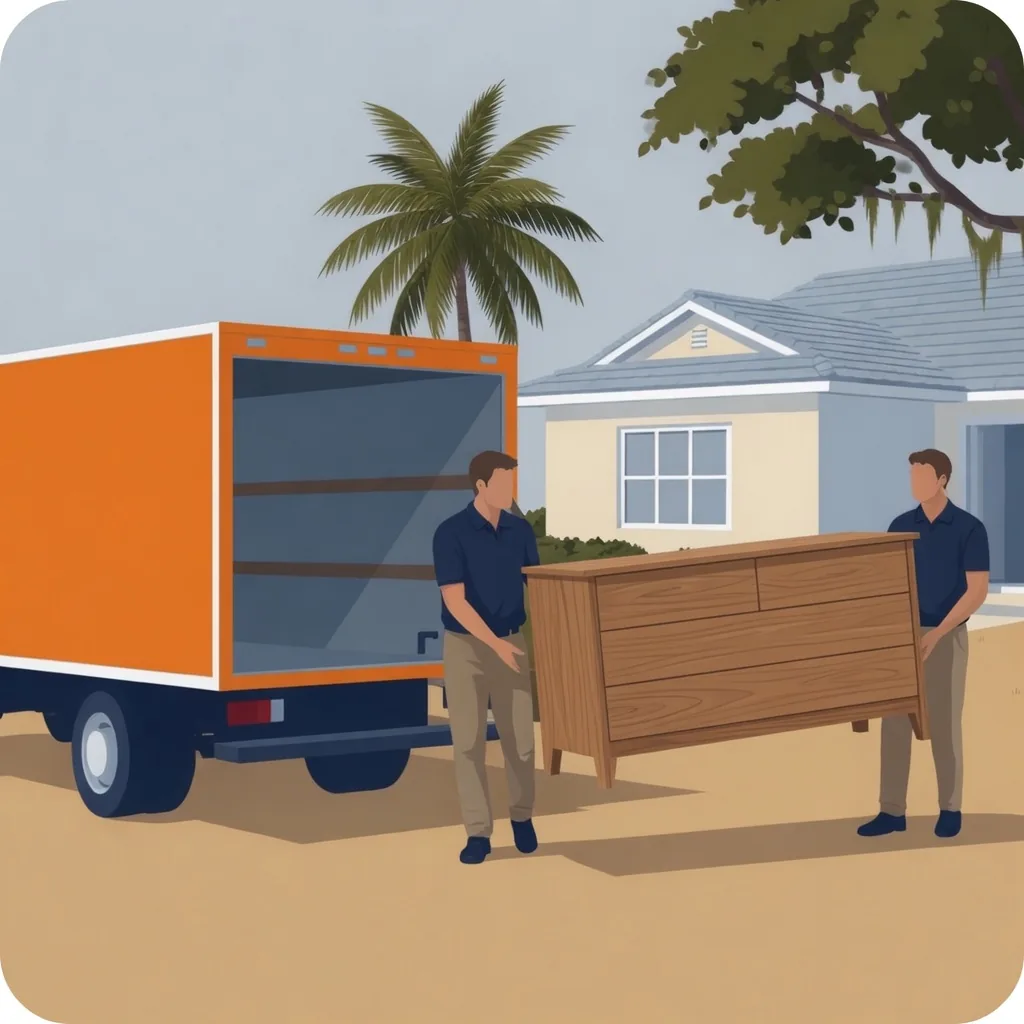
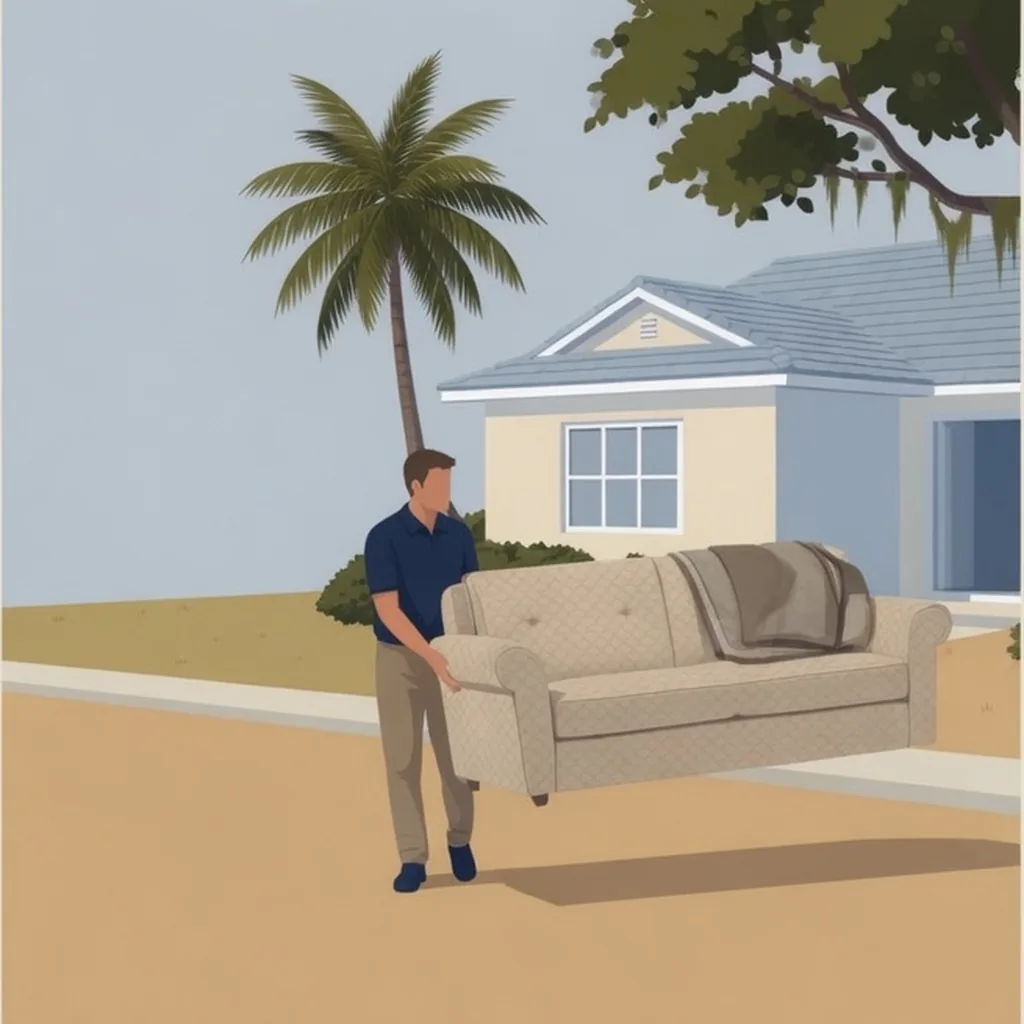
Furniture-only movers in Orlando help when you need one sofa, a bedroom set, a dining table, or a few selected pieces moved without booking a full household move. Toro Movers can handle pickup, careful protection, loading, transport, unloading, and placement for defined furniture moves across the Orlando area.
What furniture-only moving means
Furniture-only moving focuses on the pieces you need moved and leaves the rest of your household out of scope. It can be a single mattress, a sectional, a dining set, a dresser, an armoire, a bed frame, or several pieces from one room. You are not asking a crew to pack every closet, box a kitchen, or inventory an entire home. The work centers on heavy, awkward, valuable, or fragile furniture that is difficult to move safely without the right handling process.
This type of service sits between a full move and labor-only help. A full local move can include packing, wrapping, loading, transport, unloading, and unpacking for an entire household. Furniture-only moving narrows that scope to the items you identify. Labor-only help can be the better fit when transportation is already arranged and you need people to load, unload, rearrange, or carry furniture. Learn more about that option at How labor-only moving works and labor-only moving.
Furniture-only moving can work well when a full-service move would cover more than you need. You may be moving selected furniture into a temporary rental, delivering a marketplace purchase, bringing items from storage into a home, or clearing a few pieces from an apartment. The goal is not to turn a small move into a full household project. It is to create a clear plan for the furniture that needs professional handling.
Toro Movers is a family-owned Orlando-area moving company founded in 2024. Crews work in English and Spanish, which can make it easier to communicate about item placement, fragile surfaces, access details, and the path through a home or building. For furniture-only jobs, clear communication matters before the first lift and again when each piece reaches its final room.
When one piece or a few pieces need moving
A furniture-only move makes sense when the number of items is limited but the pieces are still difficult to carry, protect, and transport. A sofa can be long and awkward around turns. A king mattress can be hard to control on stairs. A solid-wood dresser can be bulky even when it is not part of a larger move. A glass tabletop needs more protection than a typical boxed item. These jobs may be small in quantity, but they still call for a deliberate carry plan.
Marketplace purchases are one common reason to book furniture-only movers. Orlando residents buy and sell sofas, tables, bedroom furniture, chairs, appliances, and other household items through Facebook Marketplace, Craigslist, neighborhood apps, and similar platforms. A seller may not be able to help load the item, and a buyer may not have enough help available for a safe carry. A furniture-only move can cover pickup from the seller, protection during transport, and delivery to the destination.
Partial moves are another fit. During a home sale, renovation, relocation, or temporary living arrangement, you may need only a dining table, sectional, bed, or selected bedroom pieces moved. You might leave other belongings in place, store them separately, or handle boxes yourself. Furniture-only service keeps the work focused on the items that require lifting equipment, protection, and careful navigation through the property.
Staging and rearranging projects can also involve furniture-only handling. Homeowners, interior designers, and real estate professionals may need pieces moved between rooms, moved from a storage unit to a property, or placed differently within the same home. Some of these jobs require hands and equipment rather than a full move. If the furniture stays on the same property or transportation is already arranged, labor-only help may be the more appropriate option.
For moves involving a short list of furniture, visit small movers in Orlando for more information about small-move planning. Small does not mean simple. A short furniture list can still involve stairs, elevators, narrow turns, heavy pieces, delicate finishes, or a long carry from the parking area to the destination.
How furniture is protected before the carry
Furniture protection begins before an item leaves the floor. The crew first looks at the item itself and the route it must travel. That includes tight corners, low ceilings, doorways, stairwells, flooring, elevator access, and the room where the furniture will be placed. The path needs to be understood before a sofa is lifted, a dresser is tilted, or a glass piece is moved.
Moving pads are used to cover furniture surfaces during the carry and transport. Pads help protect upholstered pieces, wood finishes, painted surfaces, table edges, bed frames, and case goods from contact with walls, doorframes, railings, and other furniture. The padding is secured so it stays in place while the item is being carried. Stretch wrap can help hold protective materials in place and protect wrapped furniture from shifting against other surfaces.
Hard corners need extra attention. Tables, dressers, bed frames, cabinets, and other case goods can catch a doorway, wall, stair rail, or elevator opening during a move. Corner protection can be added before the blanket layer goes on, especially for hard edges that are exposed during turning and carrying. The goal is to create protection around the points most likely to meet a doorway or wall first.
Disassembly can be part of the plan when a piece cannot travel safely in one piece. Bed frames, large sectionals, and certain wardrobe systems may need basic disassembly before they can fit through a standard doorway or move safely through the property. Hardware can be kept in labeled bags with the furniture so it stays with the correct piece. When reassembly is part of the job, it is completed in the room where the item belongs.
Mirrors and glass table tops need their own handling approach. Glass can be wrapped in moving blankets with cardboard edge protection. A glass tabletop can travel vertically with proper support rather than flat under the weight of other items. The table base and the glass surface are handled as separate parts when needed, which can make the carry and loading process more manageable.
Protecting furniture, floors, walls, doorways, and stairwells
The carry is where careful furniture handling matters most. A piece can be wrapped well and still be damaged if it is rushed through a doorway or pivoted carelessly on a stair landing. Before the carry starts, the crew identifies how the piece will leave the room, pass through the doorway, clear the hallway, and move through any stairs or elevator areas. The route is part of the protection plan.
Floors need attention at doorways and high-traffic carry paths. Protection can be laid down before furniture begins moving so hard legs, dollies, and carried pieces do not create avoidable contact with flooring. This is particularly important when moving furniture through entryways, hallways, and rooms where repeated carries will take place. The crew can also account for transitions between flooring types, such as tile, wood, carpet, and other surfaces.
Doorways are not only about width. The height of the opening, the hinge side, the direction of the turn, and the amount of room on either side can all affect how a sofa, dresser, table, or mattress must be carried. Furniture may need to be angled, tilted, turned, or partially disassembled to move through a tight opening. The item should not be forced through a path that risks damage to the furniture, walls, or doorway.
Stairwells require a separate plan because the carry includes turns, landings, rails, ceilings, and changing angles. A sectional that fits through a living room may not fit around a stairwell turn. A dresser may need to be carried at a particular angle to clear the landing. Before lifting, the crew assesses the stair path and discusses safe options when there is a concern about fit. Forcing a piece through a stairwell is not the right approach.
Elevator buildings can add another layer to the move. Some buildings have freight elevators and loading docks, while others rely on a passenger elevator and a longer walk from the parking area. Some properties request padding for elevator walls and floors before furniture enters the cab. When elevator reservations, access windows, or building requirements apply, sharing that information during the quote process helps shape the moving plan.
Once furniture arrives in the destination room, placement matters too. A padded piece is carried to the room you choose before the next piece is brought in. The crew can place furniture where you direct it, which helps avoid repeated repositioning after protective materials are removed. Final placement is part of a careful carry because it gives each item a planned destination rather than leaving it in a doorway or crowded staging area.
Carrying furniture through Orlando homes and buildings
Orlando-area homes and buildings come in many layouts. A move may involve an apartment near downtown, a townhouse, a single-family home, a high-rise condo, a storage facility, or a community with controlled access. The furniture can be the same, but the carry route may be very different. A wide living room does not mean a wide hallway, and a ground-floor pickup does not mean an easy delivery path.
Older homes, apartments, and walk-up buildings can have tight hallways, turns, stairwells, and smaller rooms. Newer properties may have elevators, access rules, loading areas, or designated moving hours. Gated communities and HOA properties may have requirements related to move-in activity, access, loading zones, or elevator reservations. Those property details should be shared before moving day so the furniture-only job can be planned around the actual conditions.
Apartment furniture moves can involve a long carry, multiple floors, elevator timing, and limited room to turn furniture in hallways. The apartment-specific service page at apartment movers covers more of the considerations involved with apartment and condo moves. If you are moving only selected furniture out of an apartment, you do not need to clear the entire unit to use furniture-only service.
Storage units are another frequent pickup or destination for furniture. People use storage while renovating, selling a home, relocating, or waiting to move into another property. A storage unit may be on an upper floor, behind a long corridor, or reached through an elevator. When requesting a quote, describe the unit location, floor, and access conditions so the furniture can be planned for appropriately.
Florida heat can be a practical consideration for storage moves and long outdoor carries. Summer temperatures are often above 90 degrees Fahrenheit, and storage corridors without air conditioning can be significantly hotter. Morning scheduling can reduce heat exposure for both the crew and the furniture. Some adhesives used in flat-pack furniture and some wood finishes can be affected by extreme heat during transport if the vehicle is not climate controlled, so that is worth discussing when requesting a quote.
Loading and transport for furniture-only moves
After the carry from the origin, furniture is positioned for transport with protection and stability in mind. Padded items can be placed against the wall and secured to cargo rails. Heavier pieces are positioned low and forward, while lighter or more fragile pieces are separated with additional padding. This arrangement helps reduce shifting during stops and turns.
Furniture is not simply stacked because it fits. The load needs to account for the shape, surface, and stability of each piece. Upholstered furniture, wood furniture, glass, mirrors, bed parts, tables, and chairs can all require different placement. Padding between surfaces helps prevent contact damage. Straps help keep the load controlled during transport. At the destination, the unload follows the same deliberate order, with pieces handled one section at a time.
If you are using a portable storage container, furniture-only handling can also apply to loading or unloading that container. The service at POD loading help in Orlando explains how help with portable storage containers works. Furniture is padded, heavy pieces are placed low, surfaces are protected from contact, and the load is secured to reduce shifting while the container is transported by a carrier.
Container loading and standard furniture transport follow the same basic principle: protection must remain in place, heavy pieces need stable placement, and furniture must be secured before travel. Damage that appears to happen during transport can begin with an incomplete loading plan. Careful padding, placement, and securing are as important in a container as they are in a moving vehicle.
Furniture-only moving compared with a full local move
A furniture-only move is for a defined collection of pieces. A full local move is broader and can include an entire household, boxes, closets, kitchen items, packing supplies, packing work, furniture, loading, transport, unloading, and unpacking. If you are moving a home from top to bottom, a full local move may better match the scope. If you only need a sofa, bedroom set, dining set, or short list of pieces, furniture-only moving can be more direct.
You can read about the difference between local and long-distance moving at Local movers in Orlando. That guide can help you understand how the distance and structure of a move affect the type of service to consider. For furniture-only jobs within the Orlando area, the focus is on the selected items, the access conditions, and the pickup and delivery locations.
Packing is not included by default with furniture-only moving. Customers may choose to handle boxes, closets, small belongings, and loose items themselves. However, some furniture-only jobs involve fragile decorative items, books, electronics, or removable components that also need preparation. The guide at When to book packing help vs full packing in Orlando explains the difference between packing assistance and more extensive packing services.
For example, a furnished home office may include a desk, chair, monitor, shelves, books, and small electronics. The desk and chair can be protected as furniture, while the books and electronics may need to be packed before loading. A glass-top dining table is another example where the glass and base may need separate preparation. Sharing these details before booking makes it easier to match the service to the actual job.
For a broader look at factors that can affect local move pricing, see this cost guide. Furniture-only moves have a limited scope, but the exact quote depends on the pieces involved, access conditions, crew needs, time, and distance. Stairs, elevator access, long carries, tight routes, and special handling details can affect the work required.
Labor-only, rearranging, and portable storage options
Furniture-only moving is not always the only service that fits. If you already have transportation arranged, have a rental vehicle, or need furniture moved within the same home, labor-only help may be the right choice. The crew can assist with carrying, loading, unloading, rearranging, and furniture handling while the transportation setup remains separate.
On labor-only jobs, furniture protection should be discussed during booking. If blankets are supplied by the customer, the crew can use them. If blankets are needed, that detail can be addressed before the job. The important point is that careful handling does not depend on whether the furniture is being moved as part of a full move, a furniture-only move, or a labor-only job.
Furniture rearranging can be useful when you are preparing a home for sale, changing a room layout, bringing furniture out of storage, or moving pieces between rooms. Even without a transport leg, heavy furniture can damage floors, walls, doorframes, and itself if it is moved without a plan. The same focus on padding, floor protection, doorways, stairwells, and final placement applies.
Portable storage can be useful when the container is already at a driveway or storage facility. You may need a crew to load selected furniture, unload it, or arrange it with a stable loading pattern. See POD loading help in Orlando for more information about loading help for PODS, U-Pack ReloCube, and similar portable storage setups.
How to request furniture-only movers in Orlando
The most direct way to request a quote is through Get My Free Quote. Describe what needs to move, where it is being picked up, where it is going, and any details that affect access. The more specific the information, the more accurately the job can be prepared. Include the number of pieces, furniture types, whether stairs are involved, elevator availability, storage unit details, and any item that needs extra attention.
It helps to explain whether the move is from an apartment, house, storage unit, seller's location, portable storage container, or another type of property. Mention tight staircases, long walks from parking, elevator reservations, floor level, access windows, and pieces that may need disassembly. These details help avoid surprises and give the crew a clearer picture of the work before arrival.
You can also call Toro Movers at (689) 600-2720. The team is available every day from 8 AM to 8 PM. Crews work in English and Spanish, so you can explain the furniture move, access details, and placement needs in the language that is most comfortable for you.
Furniture-only moving can cover a single sofa, mattress, dining table, armoire, bedroom set, or a few selected pieces. The right plan begins with a clear description of the items and the spaces they must travel through. Whether the move involves an apartment, a storage unit, a marketplace pickup, a portable storage container, or a partial move between Orlando-area homes, careful protection from the first carry to final placement helps keep the work focused and controlled.